Understanding Gutter Installation in Arkansas
Gutter installation in Arkansas is a essential part of home maintenance, especially given the state’s distinctive weather patterns. Arkansas weather is recognized for its variability, with intense rainfall, sudden temperature changes, and sometimes storm risks. These conditions make it important to have a dependable gutter system that can manage the demands of the local climate. Seasonal service is a key component of gutter maintenance, making sure that your system remains working throughout the year.
Local contractors play a crucial role in the gutter installation process. They comprehend the unique needs of Arkansas homes and can provide customized solutions. Whether you reside in Little Rock, Fayetteville, or another city in the state, partnering with a local contractor guarantees that your gutter system is put in accurately and complies with local construction codes. Seasonal service also assists stop issues like water damage, erosion, and foundation problems that can arise from inadequate drainage.
Gutter installation is not just about putting up channels to guide water away from your home. It involves meticulous planning, component selection, and attention to precision. The proper system can safeguard your property from the consequences of Arkansas weather, while a badly installed system can cause costly repairs. Grasping the importance of expert installation and seasonal service is the first step in making sure your home is safe.
Common Gutter models Utilized in Arkansas
When it comes to gutter installation in Arkansas, the kind of gutter you select can make a notable difference in performance and endurance. Sheet metal gutters are favored option due to their lightweight nature and resistance to oxidation. They are also quite easy to set up and look after, creating them a good pick for property owners in urban areas like Little Rock and Fayetteville.
Iron gutters are a further common choice, known for their toughness and might. However, they are considerably prone to corrosion if not sufficiently coated or cared for. This makes them a not as favorable selection for regions with high moisture, which is prevalent in parts of Arkansas. Polymer gutters, in contrast, are affordable and simple to set up, but they may not survive as effectively in severe climates.
The Arkansas climate, with its combination of heavy downpour and heat variations, impacts the option of gutter components. Homeowners in regions like the Ozark area may choose more resilient picks to handle frequent thunderstorms and strong downpour. Opting the best model of gutter is vital to guarantee your setup can cope with the particular issues of the area surroundings.
How Arkansas Climate Impacts Gutter Installation
The environment in Arkansas has a major role in determining the best strategy to gutter placement. Rainfall sequences in the state can be variable, with some areas facing intense rainfalls during specific periods. This indicates that gutters must be created to deal with considerable amounts of fluid quickly. In towns like Fayetteville, where early season gales are prevalent, a well-planned gutter system is essential to stop fluid from gathering around the foundation of your dwelling.
Temperature fluctuations also impact the functionality of gutters. In the summer, elevated temperatures can result in materials to expand, while in the winter, freezing conditions can lead to ice dams and water pooling. These elements must be considered during the installation process to ensure long-term performance. Severe weather challenges are another problem, particularly in areas that go through regular thunderstorms. A properly set up gutter system can assist lower the chance of moisture injury caused these climate occasions.
Arkansas periods bring different problems, from the moist summer season to the gentle winter season. Seasonal service is crucial to keep your gutters in excellent condition throughout the annual period. Frequent inspections and care can assist identify likely problems before they develop into significant problems. Knowing how the area climate influences your gutter system is the primary move in ensuring it operates effectively for decades to come ahead.
Prime Materials for Gutter Installation in Arkansas
Picking the right options for gutter installation in Arkansas is essential for long-term functionality. Corrosion-resistant materials are particularly key in a state with high moisture amounts. Metal gutters are a great selection because they are capable to oxidation and can handle the influences of moisture. They are also easy to carry and simple to handle, making them a common choice for many residents.
Moisture protection is another vital factor to think about. Gutters constructed from options that can handle extreme conditions such as steel or vinyl may be appropriate for specific regions. https://bridgedesign.space/wiki/6_Things_to_Check_Before_Starting_Gutter_Installation_What_to_Look_For_and_Key_Key_Questions_to_Consider_2026 However, metal gutters can be likely to oxidation if not adequately treated, and vinyl gutters may not be as durable in severe climates. Residents in parts with elevated moisture, like parts of Little Rock, may derive benefits from using materials that offer enhanced protection to humidity.
Sturdy choices are vital for guaranteeing that your gutter setup can deal with the challenges of Arkansas conditions. Options that are immune to temperature variations and extensive rain will provide better protection for your house. Picking the right materials for your unique region can avoid problems like moisture damage and soil erosion. Through choosing the prime materials for your home, you can guarantee that your gutter installation remains operational and efficient for numerous years to come.
Steps Involved in Qualified Gutter setup
Expert gutter installation in Arkansas involves several key processes to ensure a durable and effective system. The first step is assessing and planning. This involves assessing the size and layout of your home to identify the appropriate gutter size and placement. Exact specs are crucial to ensure that the system can handle the expected rainfall and water drainage.
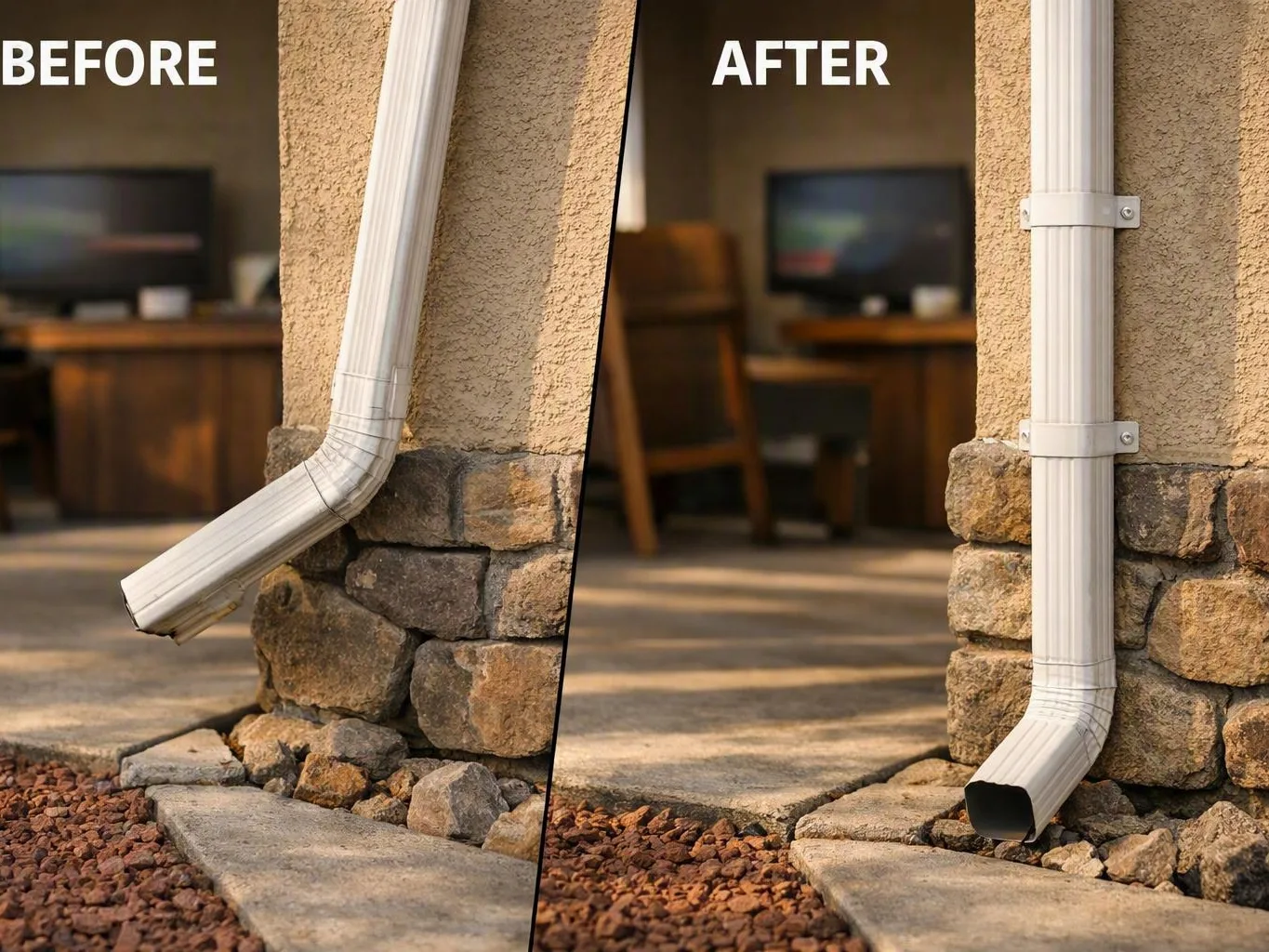
Downspout position is another significant aspect. Right location of downspouts ensures that water is directed away from your home’s base, preventing problems like land degradation and flood damage. In locations with intense downpours, such as the Arkansas Ozarks, gutters must be located to handle considerable amounts of water efficiently.
Regional construction regulations must also be followed during the installation method. These codes differ by municipality and district, so it’s important to partner with a experienced contractor who grasps the requirements in your area. For example, Little Rock and Fayetteville both have their own group of guidelines that must be observed. Arkansas professionals are familiar with these rules and can guarantee that your installation meets all required requirements.
Partnering with Arkansas installers guarantees that your gutter system is set up correctly and efficiently. These individuals have the experience and capabilities required to manage the specific challenges of the local weather. Whether you are located in a city like Little Rock or a less urban area, a professional installation can supply long-lasting protection for your residence.
Gutter care and Maintenance in Arkansas
Regular maintenance and maintenance are essential for keeping your gutter system in good working condition, especially in a state like Arkansas with its frequent rainfall. Seasonal cleaning is recommended to prevent debris buildup, which can lead to clogs and water overflow. In cities like Little Rock, where the average annual rainfall is around 50 inches, it’s important to clean gutters at least twice a year to ensure proper drainage.
Debris buildup is a common issue in Arkansas, particularly during the fall when leaves and other organic materials fall from trees. If left unchecked, this debris can block water flow and cause damage to your home’s foundation. Regular inspections and service help prevent these problems and ensure that your gutters function as intended.
In addition to cleaning, it’s important to check for signs of deterioration or issues. This includes looking for leaks, corrosion, or sagging sections of the gutter system. Addressing these issues early can prevent more serious problems down the line. Seasonal support also includes checking the integrity of downspouts and ensuring that they are properly connected to the drainage system.
By maintaining your gutters regularly, you can prolong their lifespan and protect your home from the effects of heavy rainfall and storm activity. Whether you live in a city like Fayetteville or a rural area, proper service is key to ensuring that your gutter system performs effectively throughout the year.
Price of Gutter Installation in Arkansas
The price of gutter installation in Arkansas changes depending on several factors, including the type of materials used, the size of the home, and the complexity of the installation. On average, homeowners can expect to pay between $500 and $2,000 for a standard installation, with the exact cost depending on the specific needs of the project.
Material costs have a significant role in the overall price. Aluminum gutters are generally more affordable than steel or vinyl options, but they may require more frequent maintenance. Steel gutters are more durable but can be more expensive due to the cost of materials and installation. Vinyl gutters are the most budget-friendly option, but they may not be as long-lasting in areas with high humidity or extreme weather conditions.
Labor expenses also contribute to the total cost. Professional installation by Arkansas contractors ensures that the job is done correctly, but it comes at a price. The cost of labor can fluctuate depending on the region and the complexity of the project. For example, homes in cities like Little Rock or Fayetteville may have different labor rates based on local market conditions.
Arkansas regions also affect the cost of installation. Urban areas may have higher labor costs due to increased demand, while rural areas may offer more competitive pricing. Understanding the factors that affect the cost of gutter installation can help homeowners make informed decisions and choose the best option for their budget and needs.
Local Building Codes for Gutters in Arkansas
Local building codes for gutters in Arkansas are developed to ensure that all installations meet safety and performance standards. These codes vary by city, with Little Rock and Fayetteville having their own distinct requirements. For example, Little Rock may require gutters to be installed at a certain slope to ensure proper water flow, while Fayetteville may have extra regulations regarding downspout placement and drainage.
Arkansas building regulations also factor in the state’s climate and weather patterns. These regulations ensure that gutters are designed to handle the region’s rainfall and temperature fluctuations. Compliance with these codes is vital to avoid potential issues such as water damage or foundation problems.
State guidelines provide a general outline for gutter installation, but local municipalities often add their own specific requirements. Working with a local contractor who is knowledgeable about these regulations can help ensure that your installation meets all necessary standards. This is critical in areas like the Ozark Mountains, where heavy rainfall and frequent storms require stronger gutter systems.
Understanding and complying with local building codes is crucial for a successful gutter installation. It not only provides that your system is installed correctly but also helps prevent future problems. By adhering to these guidelines, homeowners can preserve their investment and make sure their gutter system functions effectively for years to come.
What are the most common types of gutters used in Arkansas?
Aluminum gutters are the most common type used in Arkansas due to their durability and tolerance for rust. Steel and vinyl gutters are also used, but they may not be as well-suited for the state’s high humidity and heavy rainfall. For trustworthy Gutter Installation in Arkansas in Arkansas, AGM Gutters provides professional support and effective solutions.
How do climate conditions in Arkansas affect gutter installation?
Arkansas weather, with its heavy rainfall and temperature fluctuations, requires gutters that can handle large volumes of water and resist damage from moisture. https://gardenwiki.site/wiki/Gutter_Installation_Emergency_Repair_Services_in_Arkansas_Key_Questions_and_Quality_Benchmarks Proper installation and material selection are essential to ensure long-term performance.
What choices are best suited for Arkansas weather?
Corrosion-resistant materials like aluminum are ideal for Arkansas weather. These materials can withstand the state’s high humidity and frequent rainfall, making them a reliable choice for long-term use.
What is the typical expense of gutter installation in Arkansas?
The average expense of gutter installation in Arkansas ranges from $500 to $2,000, depending on materials, labor, and the size of the home. Local contractors can provide a more accurate estimate based on specific needs.
How often should gutters be cleaned in Arkansas?
Gutters in Arkansas should be cleaned at least twice a year, especially in areas with heavy rainfall. Regular cleaning prevents debris buildup, which can lead to clogs and water damage.