

Understanding Gutter Installation in Arkansas
Gutter installation in Arkansas is a critical part of home improvement that ensures the longevity and safety of your property. As a homeowner, comprehending the process and the importance of proper installation is essential, especially in a region where weather patterns can vary significantly. Whether you're in Little Rock, Fayetteville, or another city in the state, gutter installation should be approached with care to protect your home from water damage.
Professional services for gutter installation are available throughout Arkansas, and it's important to choose a reliable contractor who knows the local climate and building requirements. These services typically involve reviewing your home's needs, picking the right materials, and ensuring that the gutters are installed correctly for optimal performance.
Arkansas is known for its diverse weather conditions, which can include heavy rainfall, strong winds, and occasional severe storms. This makes the role of gutters even more crucial, as they help manage water runoff and prevent issues such as foundation damage, mold growth, and erosion. Home improvement projects that include gutter installation should be planned with these factors in mind.
Local professionals like AGM Gutters know the specific challenges that Arkansas homeowners face. Their expertise ensures that your gutter system is customized to your home's unique needs, providing long-term protection and peace of mind.
Popular Gutter types Applied in Arkansas
When it comes to gutter installation in Arkansas, there are several common types of gutters that homeowners can opt for. Each kind has its own merits and is appropriate for different circumstances and likes. Understanding the options can aid you make an informed decision that aligns with your home's demands and the local weather.
Metal gutters, such as aluminum and steel, are common choices in Arkansas due to their resilience and skill to withstand severe climates. Aluminum gutters are easy to carry and less likely to be affected by oxidation, making them a good selection for regions with often precipitation. Steel gutters, while stronger, may necessitate extra care to avoid oxidation.
Vinyl gutters are an additional selection that is commonly used in home locations. They are affordable and straightforward to put in, but they may not be as durable as metal-based alternatives. However, in regions like Fayetteville, where the weather is milder, vinyl gutters can be a suitable selection.
In further, there are also custom gutter systems that can be tailored to match the exact design of your home. These units are often employed in regions with unique topography, such as Springfield, where the elevated area needs bolstered gutter installations for proper water flow.
Choosing the proper kind of gutters for your home is an vital phase in the setup method. It's also essential to think about the regional regulations and regulations, which can change by metropolis and affect the materials and layout that are allowed.
How Arkansas Climate Impacts Gutter Installation
The weather in Arkansas plays a important role in choosing the best method to gutter installation. Homeowners in the state encounter a variety of meteorological conditions, including heavy rainfall, high humidity, and occasional severe storms. These factors can affect the performance and endurance of your gutter system, so it's important to take into account the local environment when designing your installation.
In towns like Little Rock, where spring and summer bring heavy rainfall, gutters must be designed to handle large volumes of water. This means selecting materials that are durable and resistant to flood damage. It also indicates making sure that the gutters are properly sloped and attached to water channels that guide water far from the home's foundation.
Fayetteville, with its less extreme climate, may not need the same level of sturdy materials, but homeowners still should be aware of weather variations. The region's climatic conditions can lead to unexpected downpours, which can overwhelm a improperly placed gutter system. This is why it's important to collaborate with a specialist who grasps the local conditions and can recommend the best solutions.
In areas like Springfield, where the landscape is elevated, the installation process may need to account for elevation changes. Good water flow is important in these locations to prevent water from gathering near the home's ground level. This typically requires reinforcing the gutter system and ensuring that drain pipes are located properly to handle excess water successfully.
Understanding the effect of Arkansas's climate on gutter installation is key to choosing wisely. It supports homeowners select the best materials, layout, and installation methods that will guard their homes for years to come.
Best Materials for Gutter Installation in Arkansas
Selecting the best materials for gutter installation in Arkansas is essential to ensure that your system can withstand the region's weather conditions. The right materials will not only provide durability but also enhance the overall performance of your gutter system.
Metallic gutters, such as steel, are popular choices due to their strength and protection against harm. https://telegra.ph/What-Every-Property-Owner-Should-Know-About-Get-a-Free-Gutter-Installation-Quote-in-Arkansas-11-16 Aluminum gutters are lightweight and resistant to rust, making them ideal for areas with often rainy conditions. In cities like Little Rock, where severe storms are usual, metal gutters can offer secure protection against water damage.
Steel gutters are another choice that provides enhanced strength, but they may demand additional attention to corrosion. For property owners in locations with elevated humidity, such as the core part of Arkansas, it's important to select products that can handle wetness without deteriorating.
Vinyl gutters are a affordable alternative that is straightforward to install. However, they may not be as long-lasting as metal choices, especially in regions with severe weather. Despite this, they can still be a viable solution for homes in areas with milder conditions, such as Fayetteville.
In addition to these materials, there are also options like copper and galvanized steel, which provide unique benefits. Copper gutters are known for their visual appeal and durability, while galvanized steel provides excellent resistance to corrosion and corrosion.
When selecting supplies for your gutter setup, it's important to evaluate the unique requirements of your residence and the local climate. Partnering with a professional service like AGM Gutters can support you make the top choice based on your personal circumstance.
Cost of Gutter Installation in Arkansas
The expense of gutter installation in Arkansas can vary depending on several considerations, including the type of materials used, the size of your property, and the complexity of the installation. Understanding these costs can support you plan your home improvement project more reliably.
On average, homeowners in Arkansas can expect to pay between $3 and $10 per linear foot for gutter installation. This range includes both materials and labor, but the exact cost will depend on the exact particulars of your job. For example, a home with a large roof area or complex design may require a higher investment.
The selection of materials also plays a major role in the altogether cost. https://pad.nixnet.services/9ybYOJ-2S7e4-nsq8hAr5g Metal gutters, such as aluminum and steel, tend to be more costly than vinyl choices. Nevertheless, they often provide better durability and long-term value. In cities like Fayetteville, where the climate is more moderate, some homeowners may opt for vinyl gutters to keep costs lower.
Labor costs can also vary based on the contractor and the region. In areas like Little Rock, where demand for professional services is high, labor costs may be slightly higher. It's always a good idea to get multiple quotes from local contractors to ensure you're getting a fair price.
In addition to the initial installation cost, it's important to consider the long-term maintenance and potential repairs. Investing in high-quality materials and professional installation can reduce the need for frequent repairs, saving you money in the long run.
By understanding the factors that influence the cost of gutter installation in Arkansas, you can make informed decisions that align with your budget and home improvement goals.
Gutter upkeep Guidelines for Arkansas homeowners
Regular maintenance is critical to make sure that your gutter unit functions properly and survives for many periods. In Arkansas, where weather conditions can be unreliable, it's particularly important to keep on track of gutter attention to stop injury and expensive maintenance.
An of the most crucial upkeep responsibilities is cleaning your gutters regularly. Waste such as vegetation, twigs, and soil can gather in the gutters, resulting to blockages and fluid overflow. In cities like Little Rock, where intense precipitation is common, property owners should scrub their gutters in minimum two times an year—once in the early summer and one time in the fall.
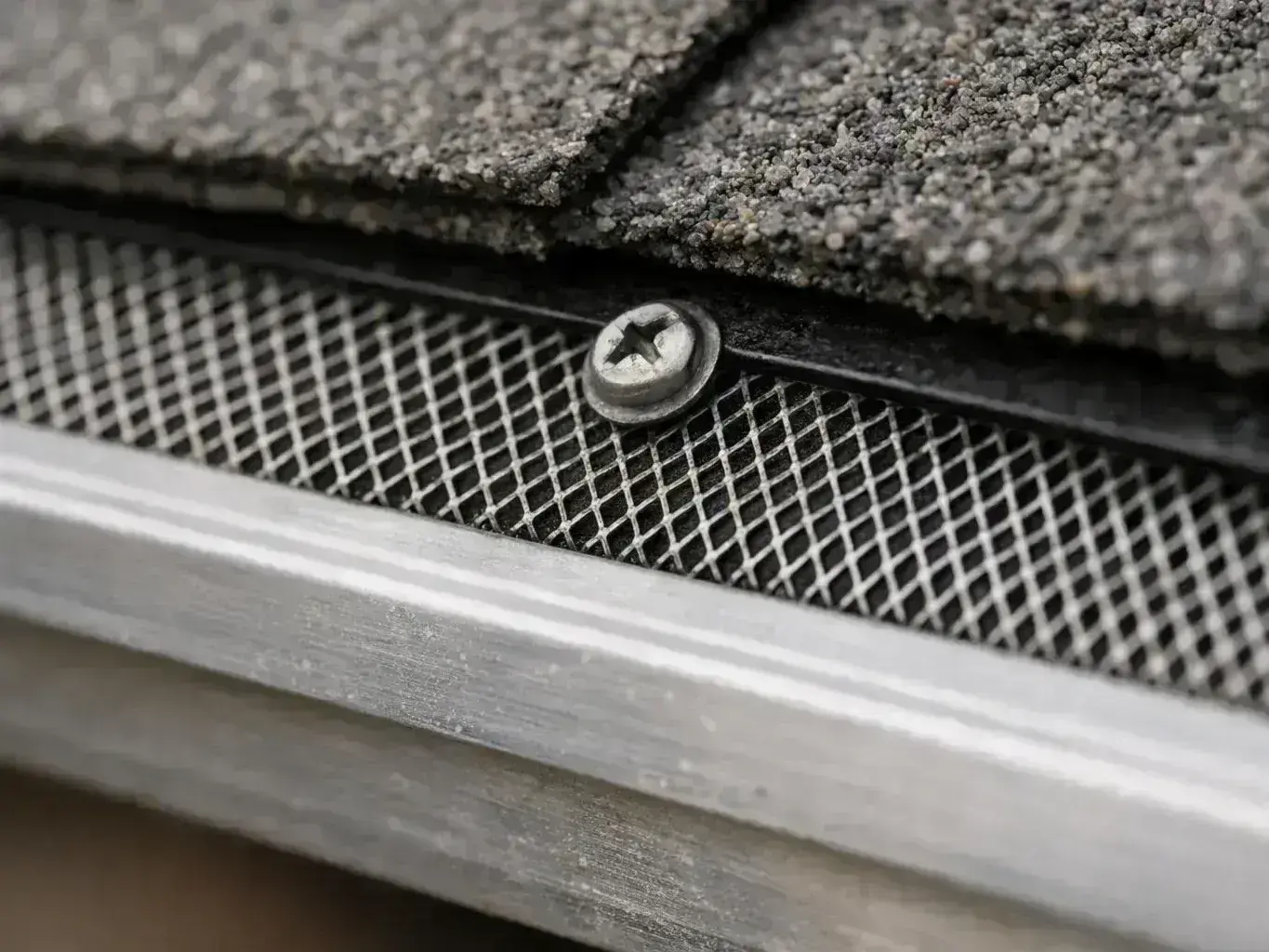
Inspecting for drips and damage is another important part of gutter care. Through duration, gutters can form fractures or get unfastened from their mounting brackets. In areas like Fayetteville, where the climate is greater mild, these problems may not be so common, but they can still arise. Inspecting your gutters regularly can help you identify problems soon and prevent more broad injury.
Proper water flow is also crucial for maintaining your gutter setup. Downspouts should be directed far from the property's support. In mountainous regions like Springfield, confirming that the drainage system is working correctly is especially important to prevent soil loss and support problems.
At addition, it's a positive idea to examine the gutters following severe climate incidents. Thunderstorms can result in injury that may not be immediately noticeable, so a post-event inspection can help locate any challenges prior to they turn significant challenges.
By following these maintenance advice, Arkansas residents can keep their gutter systems in good condition and secure their residences from liquid-based harm.
Local Building Codes for Gutter Installation in Arkansas
When it comes to gutter installation in Arkansas, it's essential to be aware of the area building codes and regulations that apply to your area. These codes are designed to make sure that all installations meet safety and operation requirements, protecting both the property owner and the community.
In cities like Little Rock, the building codes may need specific materials and installation techniques to tackle the region's heavy rainfall. For example, gutters may need to be installed with a certain slope to ensure correct drainage and avoid water from pooling. These needs assist maintain the integrity of the gutter installation and lower the risk of water harm.
Fayetteville's building codes may have distinct specifications, particularly for residential areas. These codes frequently focus on the durability and functionality of the gutter system, ensuring that it can withstand the region's weather conditions. Homeowners should work with a professional contractor who is familiar with these regulations to ensure compliance.
In areas like Springfield, where the terrain is hilly, the building codes may include additional requirements for drainage and slope. These specifications help prevent issues such as erosion and water accumulation, which can be more common in elevated areas. Adhering to these codes is essential for maintaining a safe and effective gutter system.
Bentonville, with its growing residential areas, may have specific local regulations that apply to new construction and home improvement projects. These regulations can vary by neighborhood and may include requirements for the type of materials used, the installation process, and the overall design of the gutter system. It's important to consult with a local contractor or building authority to ensure that your installation meets all necessary standards.
Understanding and following the local building codes for gutter installation in Arkansas is essential for any homeowner. These regulations help ensure that your gutter system is safe, effective, and compliant with regional requirements.
FAQ
What are the most common types of gutters used in Arkansas?
Homeowners in Arkansas often choose steel gutters, such as steel and aluminum, due to their resilience and resistance to extreme weather. Plastic gutters are also preferred for their affordability and quick installation. In areas like Fayetteville, steel gutters are a common choice due to the region's moderate climate.
How do climate conditions in Arkansas affect gutter installation?
The climate in Arkansas, which includes significant rain, high humidity, and periodic bad weather, plays a significant role in gutter installation. In cities like Little Rock, gutters must be created to deal with significant water flow, while in areas like Fayetteville, the temperate climate provides for greater variety material choices.
What materials are best suited for Arkansas weather?
Aluminum and steel gutters are often advised for their durability and anti-rust properties. These materials are ideal for areas with frequent rainfall, such as Little Rock. PVC gutters are a budget-friendly choice for homes in regions with gentler climate, like Fayetteville.
What is the typical cost of gutter installation in Arkansas?
The cost of gutter installation in Arkansas typically ranges from $3 to $10 per foot, depending on components and effort. Factors such as the scale of your home and the level of the process can also influence the final price.
What are the steps involved in professional gutter installation?
Professional gutter installation involves several phases, including evaluating your home's demands, choosing the right components, and ensuring accurate fitting. Experts will also check for any current problems and perform required fixes before installing the updated setup.