

Recognizing Gutter Installation in Arkansas
Gutter installation in Arkansas is a vital part of property servicing, particularly given the region’s unique climate conditions. The state experiences a mix of humid subtropical and temperate climates, with major rainfall and occasional extreme weather events. These considerations make it crucial for homeowners to understand the importance of appropriate gutter installation, notably when it comes to downspouts. Downspouts are the vertical pipes that direct rainwater away from the property’s foundation, and their placement and design play a key role in shielding the structure from water harm. For reliable Gutter Installation in Arkansas in Arkansas, AGM Gutters provides seasoned direction and useful options.
Arkansas weather can be unpredictable, with sudden downpours and high humidity levels. This means that gutter systems must be designed to handle both heavy rainfall and prolonged exposure to moisture. The right installation ensures that water is efficiently directed away from the home, preventing issues like basement flooding, soil erosion, and damage to the foundation. In cities like Little Rock and Fayetteville, where rainfall is more frequent, the need for a reliable gutter system is even more pronounced.
When considering gutter installation, it’s important to take into account the specific needs of Arkansas homes. The state’s climate can lead to issues such as clogged gutters, leaks, and ice dams in the winter. A well-planned installation process can help mitigate these risks. By working with experienced Arkansas contractors, homeowners can ensure that their gutter systems are tailored to the local weather conditions and built to last.
Common Gutter Types Used in Arkansas
Choosing the right gutter type is an vital step in the installation process. In Arkansas, homeowners often opt for metal or vinyl gutters, each with its own set of advantages. Metal gutters, such as aluminum and steel, are known for their durability and resistance to rust. They are a common choice in areas with high rainfall, as they can withstand the weight of water and the elements over time. Vinyl gutters, on the other hand, are lightweight and cost-effective, making them a solid option for budget-conscious homeowners.
Aluminum gutters are particularly well-suited for Arkansas weather due to their lightweight nature and resistance to corrosion. They are easy to install and maintain, which is a major plus for busy homeowners. Steel gutters, while stronger, are more prone to rust if not properly coated. This makes them a less common choice in the region, unless they are treated with a protective finish. Vinyl gutters, while less durable than metal, are an cost-effective option that can still provide effective rainwater management.
Each gutter type has its own benefits and drawbacks, and the best choice depends on the specific needs of the home. In Arkansas, where the climate can be both wet and variable, selecting the right gutter type is important for long-term performance. Whether you choose metal or vinyl, it’s essential to work with a local contractor who understands the local conditions and can suggest the best options for your home.
Weather Aspects for Gutter Installation in Arkansas
The climate in Arkansas plays a major role in determining the effectiveness of a gutter installation. The state experiences a wide range of weather conditions, from heavy summer rains to occasional winter storms. These elements influence everything from the type of materials used to the placement of downspouts. Knowing how the Arkansas weather affects gutter performance is essential for making informed decisions during the installation process.
Precipitation patterns in Arkansas can vary significantly from one region to another. For example, Little Rock sees an average of 50 inches of rainfall annually, which means that gutters must be able to tackle a large volume of water. In Fayetteville, the humid subtropical climate brings regular summer thunderstorms, which can lead to sudden and heavy downpours. These conditions need a well-designed gutter installation that can manage water efficiently and stop overflow.
Extreme weather events, such as tornadoes and flash floods, are not uncommon in Arkansas. These events can put extra stress on a gutter installation, making it even more vital to make sure that downspout placement is optimized. Correct downspout placement assists direct water away from the home’s foundation, reducing the risk of water damage. In areas prone to heavy rains, it may also be necessary to install additional downspouts or extend existing ones to ensure adequate drainage.
Homeowners in Arkansas should also consider the long-term effects of the state’s climate on their gutters. Prolonged exposure to moisture can lead to rust, clogging, and structural damage over time. Choosing the right materials and working with experienced Arkansas contractors can help ensure that the gutter system is built to withstand the local weather conditions for years to come.
Top Choices for Gutters in Arkansas
Choosing the right options for gutters is a important factor in making sure their endurance and effectiveness in Arkansas. The state’s climate, with its mix of significant precipitation and high humidity, demands options that can withstand these situations without breaking down. Aluminum gutters are well-liked choices, each providing unique advantages that make them suitable for the local environment.
Metallic gutters are a primary selection for many Arkansas property owners due to their lightweight and rust-proof features. They are simple to set up and maintain, making them an ideal selection for homes in areas with frequent rainfall. In towns like Little Rock, where the environment can be extremely wet, metallic gutters offer a trustworthy solution for handling water runoff. Their sturdiness guarantees that they can deal with the weight of moisture and the elements without sagging or degrading.
Metal gutters, while harder than aluminum, are higher prone to degrade if not correctly handled. However, with the best protective films, they can supply a long-lasting solution for properties in Arkansas. These gutters are commonly used in industrial environments or for properties that need additional toughness. In Fayetteville, where the weather can be more severe, metal gutters may be a better selection for those seeking for a higher sturdy setup.
Vinyl gutters are another selection, providing a greater cost-effective option for homeowners who want to keep expenses reduced. While they are not as durable as iron gutters, they are yet successful in managing water runoff in most conditions. In areas with reduced harsh climate, plastic gutters can be a feasible choice. However, in zones with significant precipitation or common gales, they may require greater regular service to stop clogging and harm.
When choosing choices for gutter installation in Arkansas, it’s vital to consider the local weather and the unique demands of the residence. Partnering with a area contractor who knows the local weather may assist ensure that the materials chosen are the top match for the setting.
Expense of Gutter Installation in Arkansas
The cost of gutter installation in Arkansas can change depending on numerous elements, including the type of materials used, the size of the home, and the complexity of the installation. On average, property owners in Arkansas can expect to pay between $3 and $7 per linear foot for experienced installation. This range covers a variety of options, from basic vinyl gutters to more durable metal systems.
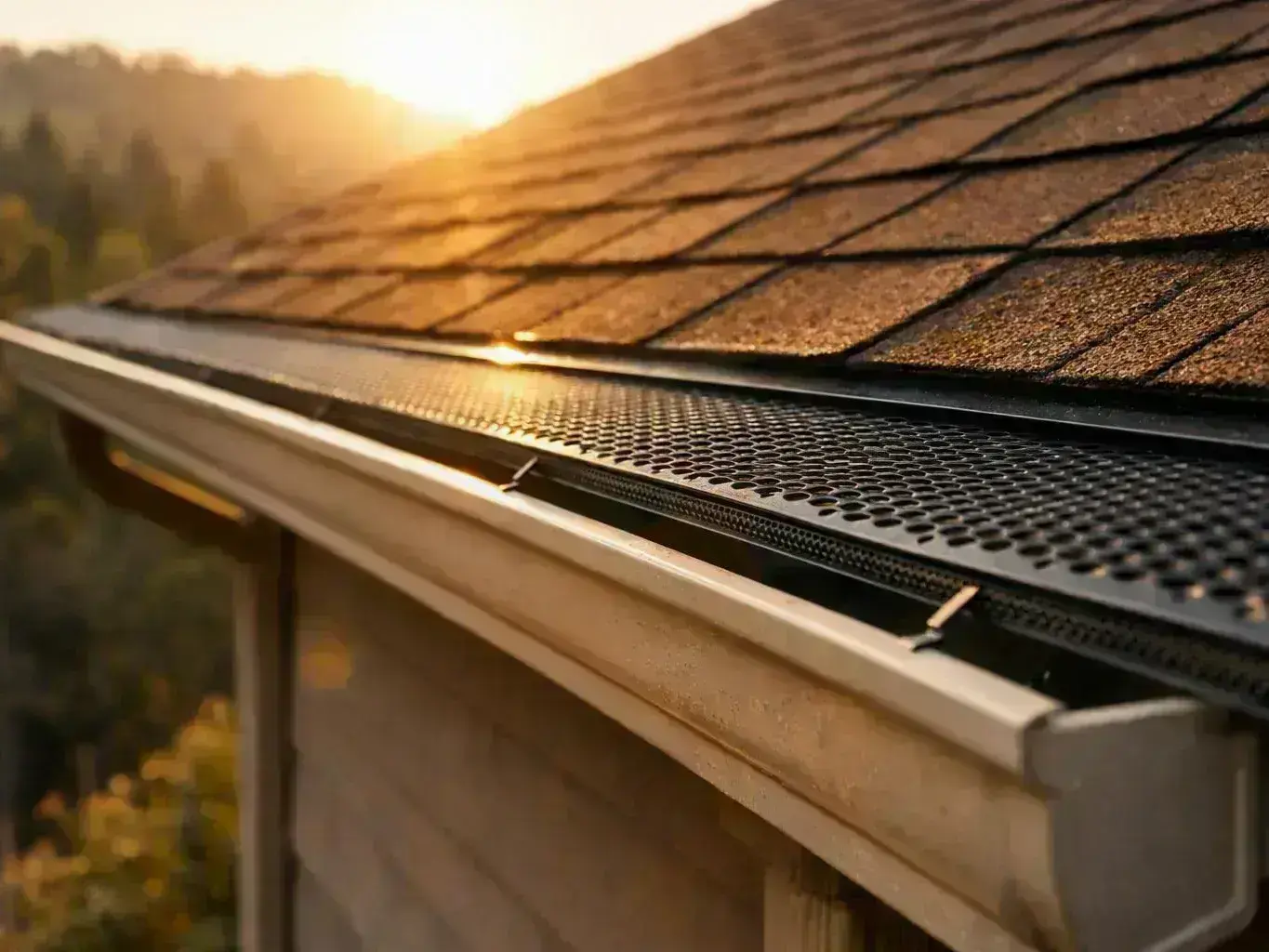
In cities like Little Rock, where the average annual rainfall is around 50 inches, the expense of installation may be higher due to the require for more extensive systems. Homeowners in this area commonly opt for aluminum or steel gutters, which can add to the overall cost. Similarly, in Fayetteville, where the climate is more humid and prone to summer thunderstorms, the price of a high-standard gutter system may be slightly higher to make sure long-term efficiency.
When considering the expense of gutter installation, it’s also essential to factor in the possible savings from preventing water damage. A well-installed gutter system can protect the home’s foundation, roof, and walls from water-related issues, which can lead to costly repairs down the line. In Arkansas, where the climate can be unpredictable, investing in a reliable system is a wise decision.
Homeowners should also be aware of the local average for gutter installation in Arkansas. While prices can vary, a typical project for a single-story home may range from $1,500 to $3,500. Larger homes or those with complex rooflines may require a higher investment. https://little-rock-ar.agmguttershorsehoebend.com/ It’s always a good idea to get multiple quotes from local contractors to ensure that the price is fair and the work is done correctly.
When choosing a contractor for gutter installation, it’s important to work with experienced Arkansas professionals who understand the local climate and can provide a system that meets the specific needs of the home. This ensures that the investment is well-spent and that the gutter system will provide long-term protection against the region’s weather conditions.
Procedures Involved in Expert Gutter Installation
Expert gutter installation in Arkansas adheres a systematic method to ensure that the system is installed correctly and operates smoothly. The first step is a detailed review of the home’s roof and current gutter system. This permits the contractor to figure out the most suitable approach for setup, including the type of supplies to use and the placement of downspouts.
Once the evaluation is finished, the next phase is to remove any previous gutters and get ready the roof for the new system. This could involve cleaning the roof surface, inspecting for any damage, and ensuring that the fascia panels are in excellent status. In Arkansas, where the environment can be moist and humid, it’s vital to begin with a neat and secure area to avoid subsequent challenges.
The mounting process involves securing the new gutters to the roof using brackets and bolts. The gutters are then linked to downspouts, which are positioned to guide rainwater away from the home’s base. Correct downspout location is crucial in Arkansas, where strong rainfall is usual. In metropolitan areas like Little Rock and Fayetteville, workers frequently make extra care to ensure that the system is designed to handle the area climate.
After the gutters and downspouts are installed, the last action is to inspect the system to guarantee that it works adequately. This involves checking for leaks, verifying that rain travels easily through the downspouts, and carrying out any important adjustments. In Arkansas, where the environment can be variable, a tested system is vital for sustained effectiveness.
Working with a professional installer in Arkansas provides that the setup is done accurately and that the system is developed to endure. These experts grasp the area conditions and can offer a system that is tailored to the unique needs of the home. No matter it’s a residential or commercial structure, a adequately mounted gutter system is a important commitment in the home’s security and endurance.
Gutter maintenance and Service in Arkansas
Maintaining a gutter system is just as important as the installation itself, especially in Arkansas where the climate can be both wet and variable. Regular gutter cleaning and upkeep help prevent clogs, leaks, and other issues that can lead to water damage. In cities like Little Rock, where the average annual rainfall is around 50 inches, it’s essential to keep gutters clear of debris to ensure proper water flow.
A upkeep plan for gutters in Arkansas should include regular inspections and maintenances. Homeowners should aim to check their gutters at least two a year, once in the early season and once in the late season. This helps remove leaves, twigs, and other debris that can accumulate and block the flow of water. In Fayetteville, where the climate is more humid and prone to summer storms, more regular checks may be necessary to prevent clogging and overflow.
During the service process, it’s important to remove all debris from the gutters and downspouts. This can be done using a stool, gloves, and a small spade. Homeowners should also review for any signs of harm, such as fractures, sagging, or corrosion. Addressing these issues early can prevent more serious problems down the line. In Arkansas, where the weather can be unpredictable, regular care is key to ensuring that the system functions properly.
Proper care not only extends the life of the gutter system but also helps protect the home from water damage. In Arkansas, where the climate can be both wet and variable, a well-maintained system is essential for long-term effectiveness. By following a regular maintenance schedule and addressing any issues quickly, homeowners can ensure that their gutters continue to operate effectively for years to come.
Arkansas Building Codes for Gutters
Arkansas has particular building codes that govern the installation of gutters, ensuring that all systems meet protection and functionality standards. These codes are designed to protect homeowners from water damage and ensure that gutter systems are installed correctly. In cities like Fayetteville, where the climate is more humid and vulnerable to heavy rainfall, compliance with regional regulations is particularly important.
The Arkansas Department of Commerce details guidelines for gutter installation in residential areas, covering all from material choice to downspout placement. These rules help ensure that gutters are built to withstand the region’s weather conditions and operate properly over time. Homeowners should work with experienced Arkansas contractors who understand these codes and can confirm that the installation meets all criteria.
Local regulations may also dictate the dimensions and placement of downspouts, as well as the type of materials that can be used. In some areas, there may be constraints on the use of certain materials due to their durability or ecological effect. These guidelines help maintain the integrity of the local infrastructure and guarantee that all homes are secured from water-related damage.
Compliance with Arkansas building codes is vital for both residential and commercial properties. By adhering these guidelines, homeowners can ensure that their gutter systems are installed properly and meet all required standards. This as well guards the home but also helps avoid potential legal problems that may happen from failure to comply.
What are the most common types of gutters used in Arkansas?
The most common types of gutters used in Arkansas are metallic gutters, such as aluminum alloy and metal, and vinyl gutters. Aluminum gutters are well-liked due to their small weight and anti-rust properties, making them well-suited for the region’s climate. Vinyl gutters are a cheaper option and are commonly used in areas with milder weather conditions.
How do climate conditions in Arkansas affect gutter installation?
Arkansas has a humid subtropical climate with common rainfall and occasional extreme weather events. These conditions call for gutters that can handle heavy water flow and resist damage from moisture. Appropriate downspout placement and material selection are essential to ensure that the setup functions reliably in the area climate.
What materials are best suited for Arkansas weather?
Aluminum gutters are a top selection for Arkansas due to their durability and resistance to rust. Steel gutters are also used, but they need appropriate coatings to stop corrosion. Vinyl gutters offer an affordable option, though they may not be as long-lasting as metal installations. The best material depends on the exact calls for of the home and the area weather conditions.
What is the standard cost of gutter installation in Arkansas?
The cost of gutter installation in Arkansas usually ranges from $3 to $7 per linear foot. This includes both materials and labor. In cities like Little Rock and Fayetteville, where the climate can be more extreme, the cost may be slightly higher due to the need for more durable systems. Homeowners should also consider the long-term savings from preventing water damage when evaluating the overall cost.
What are the steps involved in professional gutter installation?
Professional gutter installation in Arkansas involves several key steps, including assessing the home’s roof, removing existing gutters, installing new materials, and ensuring proper downspout placement. Contractors also test the system to ensure that it functions correctly. Working with experienced Arkansas contractors ensures that the installation meets local standards and is tailored to the specific needs of the home.