

Knowing Gutter Installations in Arkansas
Gutters and downspouts are essential elements of any property or commercial building in Arkansas. These installations work together to direct rainwater away from the foundation, preventing water wear and preserving the structural integrity of the building. In Arkansas, where the climate can be unpredictable, having a dependable gutter installation is critical. The state experiences a wide range of weather conditions, from heavy rainfall to sudden temperature fluctuations, which can all impact the performance of gutters and downspouts.
Arkansas weather is known for its variability, with the state receiving an average of 50 inches of rainfall annually. This is notably true in cities like Little Rock, where the combination of high precipitation and occasional severe storms can lead to substantial water runoff. In such conditions, gutters must be correctly installed and maintained to tackle the volume of water efficiently. Downspouts, which channel water from the gutters to the ground, also play a vital role in preventing water from pooling around the foundation.
The Arkansas climate can also bring about temperature fluctuations that affect the durability of gutter materials. Sudden changes in temperature can cause expansion and contraction, leading to stress on the system. This is why it's essential to choose the right materials and ensure that the installation is done accurately. Whether you're in Fayetteville, Springfield, or Bentonville, understanding how your regional weather patterns influence your gutter system is key to long-term performance.
How Arkansas Climate Impacts Gutter Performance
The climate in Arkansas directly affects the functionality and lifespan of gutters. Heavy rainfall can overwhelm improperly sized or installed systems, leading to water overflow and potential damage. In cities like Fayetteville, where thunderstorms are common, the need for a robust gutter system is even greater. Storm patterns in the region often bring intense downpours that can quickly fill gutters beyond their capacity.
Temperature changes also affect in gutter upkeep. In the winter months, freezing heat can result in frozen ridges to occur, which can block the flow of moisture and result in water damage. In the warm season, intense heat can lead to materials to grow and reduce, possibly causing breaks or spaces in the setup. These elements emphasize the significance of picking the right substances and ensuring that the assembly is executed with these obstacles in thought.
Premium Materials for Gutter Installation in Arkansas
When it comes to gutter installation in Arkansas, the choice of supplies is important. The right material can handle the region's weather scenarios and offer long-term security. Typical choices include aluminium, iron, and plastic gutters, each with its own advantages and factors.
Aluminum alloy gutters are a popular choice due to their compact attribute and capacity to oxidize. https://agmguttershorsehoebend.com/resources/ They are also fairly simple to set up and service. In Arkansas, where intense rainfall is usual, aluminum alloy gutters can manage the amount of rain without warping or changing shape. They are also available in a selection of colors, making them a flexible option for different home aesthetics.
Steel gutters are another option, known for their toughness. They are stronger than aluminium and can withstand strong blows. However, they are higher prone to rust if not adequately covered. In regions with significant dampness, such as Springfield, metal gutters may require more care to stop degradation. Despite this, they are a superior option for homeowners who emphasize sturdiness and longevity.
Plastic gutters are a affordable choice that is easy to install. They are capable to rusting and demand limited maintenance. However, they can turn brittle in extreme heat, which is a aspect in Arkansas where temperature fluctuations are frequent. For property owners seeking for a budget-friendly option, plastic gutters can be a ideal selection, especially in regions with fewer severe climatic situations.
Choosing the Best Option for Your Dwelling
Picking the best option for your gutter unit relies on several elements, including your money resources, the climate in your area, and the aesthetic of your dwelling. In urban areas like Little Rock, where rainfall is frequent, aluminum gutters may be the ideal selection due to their durability and simplicity of care. In Fayetteville, where thunderstorms are frequent, metal gutters may be selected for their strength and potential to handle heavy downpour.
For those in Bentonville, where urban infrastructure is expanding, the selection of component may also depend on regional guidelines and structural codes. It's essential to seek with a specialist to determine which material is most appropriate for your unique demands and place. Whether you choose aluminum, metal, or vinyl, the goal is to guarantee that your gutter system can deal with the difficulties presented by Arkansas weather.
How Arkansas Climate Impacts Gutter Installation
The climate in Arkansas plays a significant role in the installation and performance of gutters. The state experiences a broad range of weather conditions, including heavy rainfall, thunderstorms, and temperature fluctuations. These factors must be considered when installing a gutter system to ensure it functions properly and lasts for years.
Rainfall is one of the most critical elements to consider. Arkansas receives an average of 50 inches of rain annually, with some areas experiencing even higher levels. In cities like Little Rock, where rainfall is particularly heavy, gutters must be designed to handle large volumes of water. This means selecting the right scale and kind of gutters, as well as ensuring proper slope and downspout placement.
Temperature fluctuations also impact gutter installation. Sudden changes in temperature can cause materials to expand and contract, leading to stress on the system. In areas like Fayetteville, where thunderstorms are common, the combination of high heat and sudden cooling can affect the integrity of the gutters. Choosing materials that can handle these conditions is vital for long-term performance.
Storm patterns in Arkansas are another key consideration. The state is prone to severe weather events, including thunderstorms and heavy downpours. These storms can cause water to accumulate quickly, putting additional strain on the gutter system. Proper installation, including the use of enhanced downspouts and proper drainage, is necessary to prevent water from pooling around the foundation.
Adapting to Local Weather Conditions
In Springfield, Arkansas, where the climate is humid and subtropical, gutter installation must consider for high humidity levels. This can result in issues such as mold and mildew, which can affect both the gutters and the surrounding structures. Choosing materials that fight moisture and ensuring proper ventilation can help reduce these issues.
In Bentonville, where urban development is on the rise, the need for dependable gutter systems is even greater. The city's growing infrastructure means that more homes and buildings are being constructed, each requiring a efficiently created gutter system. Municipal rules often dictate the guidelines for gutter installation, making it important to work with a expert who grasps the exact requirements in the area.
How to Gutter setup
Effective gutter setup is essential for guaranteeing that your system works well and survives for long periods. The process includes several key steps, from layout and setup to the true placement and concluding inspections.
The first action in gutter installation is to assess the demands of your residence or edifice. This involves determining the scale and variety of gutters necessary, as well as the amount of downspouts necessary. In Arkansas, where downpours can be heavy, it's important to choose gutters that can deal with the amount of moisture. This may require getting help with a professional to make sure that the system is correctly measured for your site.
Once the preparation phase is finished, the subsequent step is to get ready the area for setup. This involves tidying the surface and guaranteeing that there is a free way for the gutters and downspouts. In urban areas like Little Rock, where residences are frequently constructed on diverse land, this action might require extra attention to ensure that the system is placed properly.
The real placement process involves securing the gutters to the surface using brackets and screws. It's important to make sure that the gutters are properly inclined to allow liquid to flow towards the downspouts. In Fayetteville, where lightning are usual, this phase is important to avoid moisture from accumulating and leading to injury.
After the gutters are placed, the downspouts are added to guide the moisture away from the foundation. The location of downspouts is important, as they must be positioned to avoid moisture from pooling around the base of the residence. In cities like Springfield, where the atmosphere is moist, correct downspout location can support reduce the risk of mold and moisture harm.
The concluding action in the installation procedure is to examine the system and do any required adjustments. This covers inspecting for leaks, guaranteeing that the gutters are correctly positioned, and confirming that the downspouts are leading moisture away from the foundation. In Bentonville, where regional regulations may necessitate more inspections, this step is particularly vital to ensure compliance with building standards.
Partnering with Skilled Support
While some homeowners may attempt install gutters individually, it's often best to partner with expert support to make sure that the job is done accurately. Skilled workers have the experience and equipment needed to handle the complexities of gutter installation, especially in areas with difficult meteorological scenarios. In Arkansas, where the weather can be unpredictable, employing a reputable contractor can support guarantee that your gutter setup is set up to the top standards.
One this business is AGM Gutters, which offers skilled mounting assistance for residents throughout the state. With a emphasis on standards and client contentment, AGM Gutters ensures that each installation is installed properly and adheres to the particular needs of the building. In case you are you're in Little Rock, Fayetteville, Springfield, or Bentonville, collaborating with a skilled like AGM Gutters can help you achieve a dependable and long-lasting gutter system.
Cost of Gutter Installation in Arkansas
The rate of gutter installation in Arkansas can vary depending on several factors, including the type of supplies used, the dimension of the system, and the difficulty of the setup. Grasping these factors can help property owners develop well-informed options and plan accordingly.
Material costs are one of the key elements that impact the overall price of gutter placement. Sheet metal gutters are usually more affordable than steel or plastic, resulting in them a common selection for many homeowners. In towns like Little Rock, where water accumulation is frequent, the price of metal gutters may be a key point for those seeking a combination between economic viability and durability.
Labor expenses also play a significant function in the overall expense of setup. Qualified providers usually charge based on the time and work needed to finish the project. In locations like Fayetteville, where the climate can be more demanding, labor expenses may be increased due to the more complexity of the implementation. It's vital to obtain numerous estimates from trustworthy builders to guarantee that you're obtaining a reasonable cost for the task.
The scale of the gutter system is another consideration that influences the cost. Bigger properties or business structures will demand more materials and effort, causing to higher overall charges. In towns like Springfield, where the weather is damp, the requirement for a larger system may be necessary to deal with the greater volume of liquid. This can result in higher expenses, but it's an important contribution in the prolonged security of the property.
Extra Costs and Factors
In addition to supply and work costs, there may be further expenses associated with gutter deployment. These can include the cost of permits, if required by regional regulations, and any further supplies needed for the installation. In Bentonville, where building standards may be higher strict, these extra expenses should be factored in when planning for the endeavor.
It's also essential to take into account the extended upkeep costs of the unit. While some components may be more expensive at first, they may require lower care over time, resulting in financial benefits in the future. In Arkansas, where the climate can be variable, investing in a premium system can assist minimize the demand for repeated repairs and replacements.
Maintenance Advice for Gutters in Arkansas
Regular maintenance is important for making sure that your gutter setup works correctly and endures for decades. In Arkansas, where waterfall is regular and weather conditions can be uncertain, it's vital to stick to a regular care routine to avoid challenges from occurring.
One of the most crucial care tasks is gutter cleaning. Over time, leaves, sticks, and other material can accumulate in the gutters, causing clogs and water spilling. In towns like Little Rock, where rainfall is intense, it's advised to inspect gutters at least two times per year to prevent obstructions. This can help ensure that rainwater moves easily through the system and from the structure.
In addition to cleaning, it's important to review your gutters regularly for symptoms of wear. This includes reviewing for leaks, fractures, or unsecured segments that may need mending. In Fayetteville, where stormy weather are common, regular checks can assist detect and handle problems before they turn more serious.
Creating a Service Plan
Creating a schedule can help ensure that your gutters are properly cared for throughout the year. This may include routine assessments for debris buildup, periodic cleanings, and frequent evaluations for damage. In Springfield, where the weather is moist, it's vital to monitor for symptoms of mold or mildew, which can impact both the gutters and the surrounding structures.
In Bentonville, where urban development is on the rise, it's also important to consider the impact of nearby construction or yard work on your gutter system. Frequent checks can help prevent issues caused by changes in the surrounding area, ensuring that your system continues to operate smoothly.
Arkansas regulations for Gutters
In Arkansas, standards and local rules play a crucial role in ensuring that gutter systems are installed properly and fulfill safety and function criteria. These codes differ by city and may have specific rules for supplies, setup approaches, and drainage structures.
One of the key elements of Arkansas building codes is the need for proper drainage. Gutters and downspouts need be installed in a way that channels water from the base, avoiding flood damage and structural challenges. In cities like Little Rock, where downpour is intense, these guidelines are especially crucial to guarantee that the system can deal with the quantity of liquid.
Local guidelines may too specify the variety of components that can be used for gutter placement. In Fayetteville, for instance, there may be specific guidelines for the use of particular supplies based on the climate and atmosphere trends in the region. These rules are created to make sure that all gutter systems are built to endure and function efficiently.
City-Specific Guidelines and Adherence
In Springfield, where the weather is damp and subtropical, local guidelines may include additional rules for gutter placement. These can include guidelines for the placement of downspouts and the use of supplies that can resist extreme humidity degrees. Conformity with these guidelines is vital to guarantee that the system operates accurately and satisfies all protection requirements.
In Bentonville, where metropolitan infrastructure is growing, building codes may be higher rigorous. This can have rules for the size and position of gutters, as well as the necessity for extra water management solutions. Collaborating with a specialist who understands these regional regulations can assist ensure that your gutter system is placed accurately and satisfies all required standards.
Symptoms Your Gutters Need Maintenance in Arkansas
Even the best gutter systems can develop issues over time, especially in a state like Arkansas, where weather conditions can be unpredictable. Understanding the signs of gutter damage is essential for ensuring that your system continues to function properly and prevents water damage to your home.
One of the most common signs that your gutters need repair is leakage. Water pooling around the foundation or noticeable leaks from the gutters can indicate that there are gaps or cracks in the system. In cities like Little Rock, where rainfall is common, even small leaks can lead to considerable water damage if not addressed immediately.
Another sign of gutter damage is clogged gutters. When leaves, twigs, and other debris gather in the system, they can hinder the flow of water, leading to overfilling and potential damage. In Fayetteville, where thunderstorms are frequent, clogged gutters can be a common issue, requiring regular cleaning and service.
Other Symptoms of Gutter Problems
Water damage around the foundation is another sign that your gutters may need repair. This can include moisture, mold, or cracks in the foundation, all of which can be caused by inadequate drainage. In Springfield, where the environment is damp, water damage can be more common, making it crucial to monitor your gutters for any symptoms of issues.
In Bentonville, where city development is on the rise, it's also crucial to consider the influence of nearby construction on your gutter system. Modifications in the surrounding environment can influence the performance of your gutters, leading to issues that require maintenance. Frequent inspections can aid identify and solve these problems before they become more problematic.
Leading Areas for Gutter installation Support
Arkansas is home to several cities where professional gutter installation support are present, each with its own unique factors based on area weather and guidelines. Little Rock, Fayetteville, Springfield, and Bentonville are within the most sought-after locations for gutter installation, each providing different advantages and difficulties.
In Little Rock, where precipitation is substantial, gutter installation services must be equipped to handle the amount of moisture. This often entails selecting durable components and confirming that the system is properly configured for the property. Area contractors in Little Rock are familiar with the particular demands of the area, resulting them a reliable selection for residents.
Fayetteville, famous for its regular thunderstorms, needs gutter installations that can endure severe rainfalls. This implies choosing materials that are tough and resilient, as well as confirming that the setup is done correctly to stop liquid injury. Professional services in Fayetteville are familiar in the challenges posed by the regional conditions cycles.
Various Critical Areas for Gutter installation
Springfield, with its moist temperate environment, presents unique difficulties for gutter setup. The elevated dampness degrees can cause to problems such as fungus and mold, resulting it vital to choose materials that counter dampness. Area experts in Springfield are versed in handling these matters and making sure that the installation functions efficiently.
Bentonville, where metropolitan development is increasing, demands gutter installation support that can satisfy the needs of a growing infrastructure. This covers complying to regional building regulations and making sure that the system is set up to the maximum requirements. Experts in Bentonville are well-equipped to deal with the unique requirements of the area, offering trustworthy and durable results for property owners.
Frequently Asked
What are the most common varieties of gutters employed in Arkansas?
The most typical types of gutters employed in Arkansas comprise aluminum, metal, and polymer. Each item has its own benefits, with aluminium being famous for its sturdiness and defence to oxidation, metal offering strength and endurance, and plastic being a affordable and low-maintenance selection.
How do climate elements in Arkansas influence gutter installation?
Arkansas faces a variety of weather conditions, including heavy downpours and thermometer changes. These components affect the selection of materials and the layout of the gutter setup. Proper setup must take into account for the regional environment to make sure that the system functions efficiently and lasts for long periods.
What choices are best suited for Arkansas weather?
Aluminum gutters are ideal for Arkansas weather due to their sturdiness and resistance to rust. Steel gutters provide robustness and can handle heavy rainfall, while vinyl gutters are a cost-effective option that requires minimal maintenance. The choice of material depends on the particular requirements of the property and the area's weather.
What is the usual expense of gutter installation in Arkansas?
The expense of gutter installation in Arkansas varies based on considerations such as materials, workforce, and the size of the system. Aluminum gutters are generally more affordable, while steel and vinyl may have different price points. Work charges can also vary depending on the complexity of the installation and the area's economy.
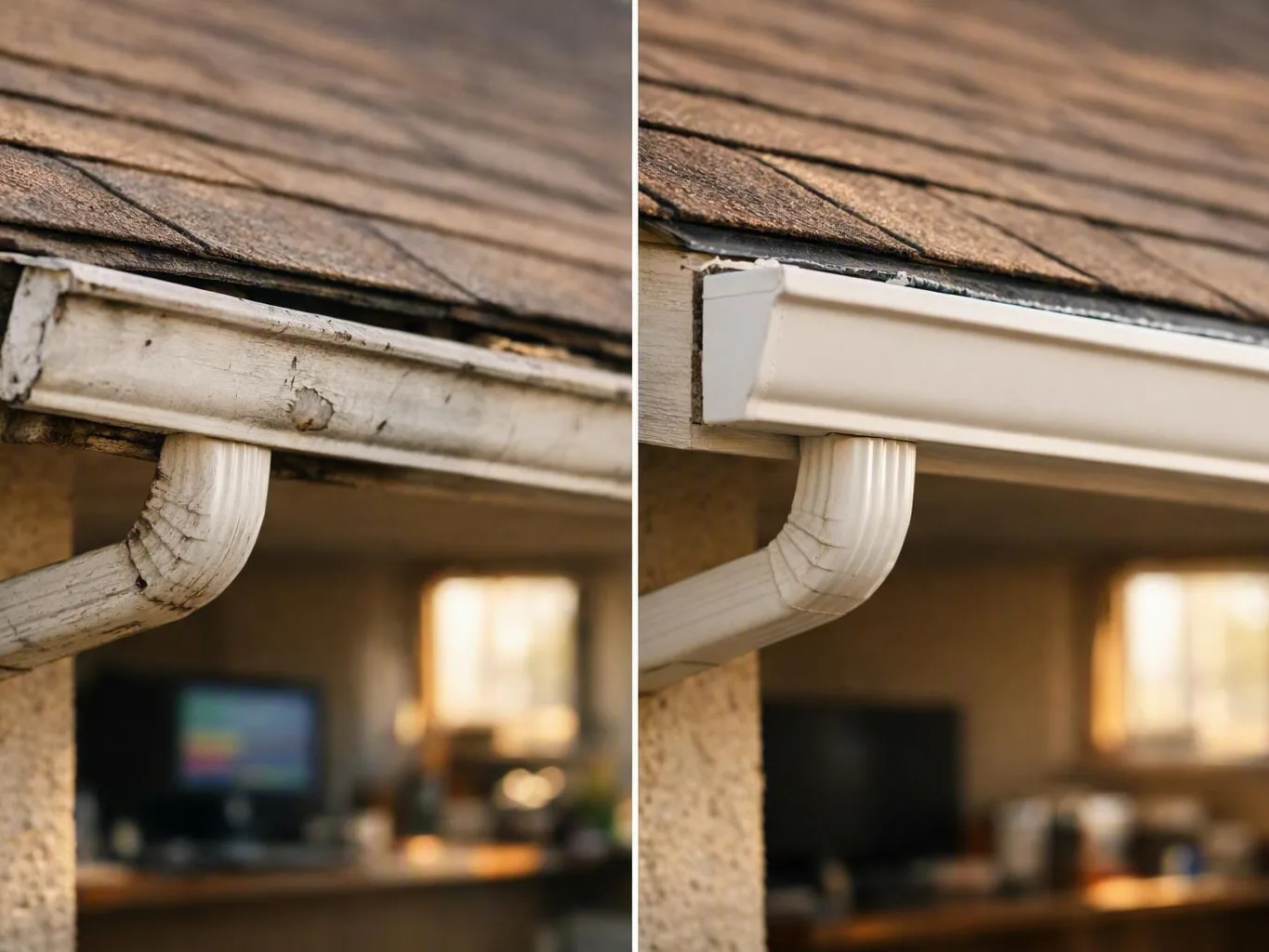
What are the steps involved in skilled gutter installation?
Skilled gutter installation consists of several processes, including reviewing the requirements of the property, getting ready the area, fitting the gutters and downspouts, and conducting a final review. Each procedure is important to guaranteeing that the system works well and meets local construction regulations and requirements.